
Tumbler Ridge rebuilds after school shooting, prioritizing trauma-informed care, community support, and long-term mental health solutions for students and families.
Portable Classrooms Offer Stability Amid Trauma
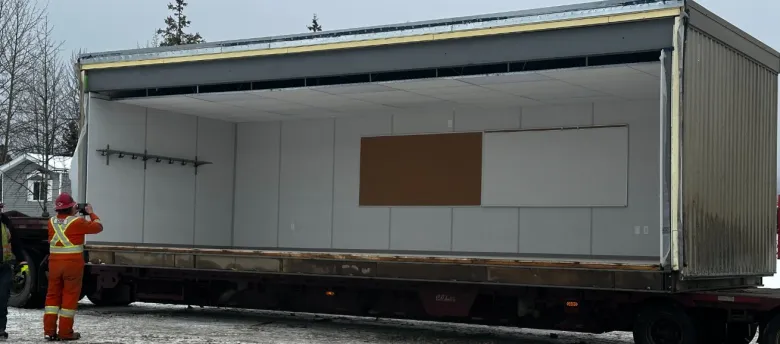
A semicircle of metal-clad portable classrooms now dots the snowy sports field of Tumbler Ridge Elementary, just a 15-minute walk from the community’s secondary school. The new structures provide a temporary haven for students after a devastating school shooting claimed the lives of five students and a teacher’s aide three weeks ago.
B.C.’s Infrastructure Minister Bowinn Ma described the portables as “an important step toward restoring routine and connection for students and staff,” aiming to bring a sense of stability to a shaken community.
Experts Urge Care Beyond Avoidance
While moving students to a new location feels like a natural response, mental health experts warn that it may inadvertently encourage avoidance, a common reaction to trauma. Dr. Arash Javanbakht, psychiatrist and founding director of the Stress, Trauma, and Anxiety Research Clinic at Wayne State University, highlighted the long-term risks: PTSD, depression, anxiety, and even substance abuse can emerge if trauma is not properly addressed.
“Trauma at this level needs experts,” Javanbakht said. “Screening students, identifying those affected, and offering treatment is essential. Avoiding the location of trauma can reinforce fear, so gradual reintroduction to the school environment is often helpful.”
Gradual Return to Learning
Christy Fennell, superintendent of the Peace River South school district, had announced shortly after the shootings that students would not return immediately to Tumbler Ridge Secondary. A week later, B.C. sent portable classrooms to the remote northeast community, about 1,200 kilometres from Vancouver. Some students resumed classes last Thursday, with the district promising a “gradual, trauma-informed return to learning.”
Photos of the installations shared by Ma emphasized stability and support. “In the face of such loss, our focus is on providing safety and a clear path forward for students,” she wrote. The portables also fulfilled a commitment by Premier David Eby to ensure students would never be forced back to the original school building.
Trauma-Focused Support Over Convenience
Experts stress that while temporary classrooms solve logistical challenges, they don’t fully address psychological trauma. Amin Asfari, Chair in Police Studies at the University of Regina, said access to education alone does not heal the deeper wounds. “Evidence suggests trauma-focused cognitive behavioural therapy or group therapy is far more effective than simply relocating students,” he explained.
Javanbakht echoed this, emphasizing consultation with students about their willingness to return. Gradual exposure and professional guidance remain crucial to recovery.
Spotlight on Rural Mental Health Gaps
The Feb. 10 shootings — perpetrated by 18-year-old Jesse Van Rootselaar — also exposed gaps in rural mental health care. Van Rootselaar had been apprehended multiple times under B.C.’s mental health act, but follow-up care was inconsistent, particularly in remote areas.
Jonathan Morris, CEO of the Canadian Mental Health Association’s B.C. division, highlighted that post-hospital care varies widely depending on location. “There isn’t an even spread of accessible mental health services across Canada,” he said. For small communities like Tumbler Ridge, this inequity is stark.
Long-Term Community Support Needed
The town’s Mayor Darryl Krakowka stressed the need for sustained, in-person mental health care. “We’re looking six months, a year, or whatever is needed to make sure counsellors are on the ground,” he told CTV. B.C.’s Health Ministry confirmed a robust presence of children’s psychiatrists and mental health clinicians, alongside RCMP Victim Services.
Riley Skinner of the Crisis Prevention, Intervention and Information Centre for Northern BC noted a rising demand for support, as the ripple effects of trauma touch not only victims but the entire community. Northern B.C.’s geographic isolation amplifies these challenges, with family and friends sometimes hours away.
Lessons From Other Tragedies
B.C. isn’t alone in grappling with mass shooting aftermaths. Nova Scotia’s 2020 Portapique massacre revealed systemic shortcomings in mental health integration. The Mass Casualty Commission recommended “mainstreaming” mental health care and developing national strategies to ensure access matches physical health services.
In Tumbler Ridge, an inquest announced by Chief Coroner Dr. Jatinder Baidwan will examine how mental health and public safety intersect, especially in rural settings. Meanwhile, community bonds remain a lifeline. “Small towns often build strong internal systems, relying on each other in ways larger cities can’t replicate,” Skinner said.
Moving Forward Together
Tumbler Ridge is rebuilding more than classrooms; it’s reconstructing trust, safety, and a sense of belonging. Experts agree that trauma-informed care, long-term support, and strong community connections will shape the town’s healing journey — one step at a time.
Stay updated instantly — follow us on Instagram | Facebook | X
For any issues or concerns, please contact us at issue@surreyspeak.com.