

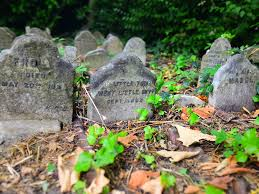
B.C. Supreme Court consent order has placed restrictions on a Surrey woman following online claims made about a former pet cemetery now slated for residential redevelopment.
The legal order, issued last month, prohibits a local cat sitter from publishing or repeating statements alleging that human remains are buried at the privately owned site near 147A Street and 78 Avenue. The property, which operated as a pet cemetery decades ago, is currently undergoing a lawful subdivision process.
The landowners, Turnberry Developments and company owner Lynn Weir, brought the civil action after alleging the claims were false, defamatory, and harmful to their ability to move forward with development. The consent order prevents further public statements about the site that could damage the reputation of the company or its owner.
As part of the agreement, the defendant is also barred from contacting the property owner or coming within 100 metres of the site. All claims were dismissed without costs, bringing the matter to a close.
In a written apology obtained by media, the woman acknowledged that her claims about possible human remains were not supported by reliable evidence and expressed regret for statements made while opposing the development.
The half-acre property has historical significance as a former pet burial ground established in the 1950s. While many pet memorials remain visible, provincial regulators have confirmed that the site was never licensed or recognized as a human cemetery. Under B.C. law, cremated ashes do not constitute human remains and do not prevent redevelopment.
The City of Surrey has confirmed the land has now been legally subdivided. Developers may apply for construction and utility permits in accordance with zoning regulations.
Legal experts say the case highlights growing risks associated with online activism. Defamation lawyers note that petitions, social media posts, and fundraising campaigns can carry legal consequences if claims are made without verified facts.
The dispute serves as a reminder that while public debate and civic engagement are protected in Canada, reputational harm caused by unproven allegations may lead to court action.