
A royal headline few expected
For many people, stories involving the British royal family usually revolve around ceremonies, public appearances, or charity work. However, this time the news moved in a very different direction. Authorities confirmed that former Prince Andrew was detained for questioning, creating immediate international attention.
The situation stood out because criminal investigations involving senior royals are extremely rare. Within minutes, headlines spread across television and social media. People wanted to understand not only what happened, but also what it meant for the monarchy itself.
Police confirmed the arrest formed part of an ongoing investigation. Officers transported him to a station where questioning took place for several hours. Later, he was released while the investigation continued. Even though no charges were announced at that stage, the development marked a serious escalation.
Searches carried out the following day
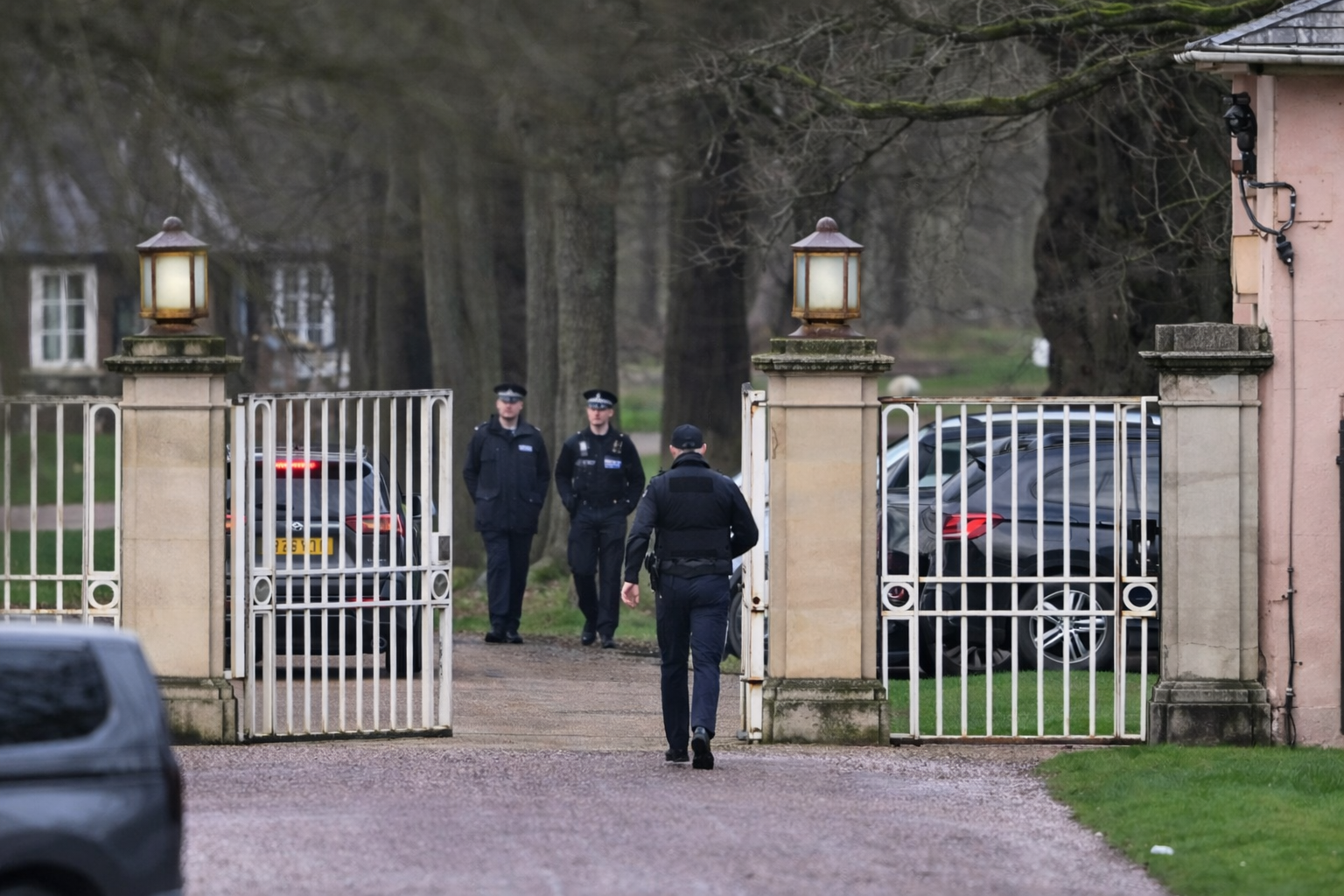
The story did not end with the questioning. The next day, investigators arrived at properties connected to Andrew. Officers conducted organized searches, moving carefully through the grounds and buildings. Evidence teams examined rooms and collected material they believed could help clarify events.
Search warrants allow police to gather documents, computers, and communication devices. Investigators often use these steps to verify statements and timelines. In cases involving high-profile individuals, procedures follow the same legal standards as any other case. The law does not change because of status.
Residents nearby noticed increased police presence. Vehicles remained parked for hours while officers continued their work. The activity confirmed authorities considered the matter significant enough to require deeper examination.
What investigators are examining
Officials have not released every detail publicly. However, they confirmed the probe relates to allegations connected to past official responsibilities and associations. The purpose of the search is to identify records that either support or contradict earlier claims.
Investigations often depend on small details. A single message, appointment record, or financial transaction can change the direction of a case. Because of that, officers gather as much information as possible before deciding whether charges should be laid.
Legal experts explain that high-profile investigations move carefully. Evidence must meet strict standards before prosecutors proceed. Rushing the process risks mistakes, and mistakes can collapse a case entirely. Therefore patience becomes necessary even when public interest is intense.
Response from Andrew’s representatives
Representatives for Andrew stated he denies wrongdoing and intends to cooperate. Cooperation means providing access to requested information and participating in questioning when required. His legal team emphasized that an investigation does not equal guilt.
In many legal systems, individuals remain innocent until proven otherwise in court. Investigators gather evidence first, prosecutors evaluate it second, and charges come only if standards are met. That process can take months or longer depending on complexity.
Public reactions often move faster than legal procedures. Social media discussions, speculation, and opinion appear immediately. However, investigators must rely only on verified facts.
Reaction inside the monarchy
The royal family responded carefully. Official statements remained brief and focused on respect for legal process. Institutions like the monarchy operate on stability and tradition, so public comments tend to avoid influencing investigations.
Observers noted that the situation places pressure on the institution’s reputation. Modern audiences expect accountability from public figures, regardless of title. At the same time, constitutional roles require neutrality and restraint.
Balancing those expectations becomes challenging. The monarchy must neither interfere nor appear dismissive. Therefore communication stayed limited while authorities continued their work.
Public and political reaction
Across the United Kingdom and beyond, reaction varied. Some people expressed concern about the seriousness of the allegations. Others stressed the importance of waiting for evidence before judgment.
Political commentators pointed out that transparency matters most in cases involving prominent individuals. Public trust depends on equal application of the law. If investigators demonstrate fairness and independence, confidence remains stronger.
Meanwhile, legal analysts explained the investigation could take considerable time. Gathering, reviewing, and verifying evidence requires careful coordination between police and prosecutors.
Why searches matter in investigations
Searches often signal a shift from preliminary review to deeper inquiry. Early questioning gathers basic information. Property searches seek supporting proof. Investigators compare statements with records to identify inconsistencies or confirmation.
Forensic specialists may analyze electronic devices, communication logs, and schedules. These materials help establish timelines — who was present, when, and why. Even deleted data can sometimes be recovered, which is why digital evidence becomes crucial.
Because of technology’s role in daily life, many cases now rely heavily on electronic records rather than eyewitness accounts alone.
Possible outcomes
At this stage, several outcomes remain possible. Investigators could conclude evidence does not support charges. They could also recommend prosecution if legal thresholds are met. Another possibility involves further interviews before a decision.
Legal systems move step by step:
- Investigation
- Evidence review
- Prosecutor decision
- Court process if necessary
Each stage protects fairness for both the accused and the public.
Broader impact on public perception
Beyond legal questions, the story affects public trust. High-profile cases influence how people view institutions. When authorities act transparently, confidence grows. When information remains unclear, speculation increases.
Modern audiences follow developments closely. Continuous updates create intense interest but also pressure investigators. Still, legal standards require decisions based on evidence rather than public opinion.
What happens next
Police now review material collected during the searches. Specialists analyze documents and devices. Prosecutors will later determine whether evidence meets criminal thresholds.
Until then, the situation remains an active investigation. No final conclusions exist yet. The coming months will likely bring gradual updates rather than sudden resolution.
For now, one reality stands clear: a figure once associated mainly with ceremonial duties now faces legal scrutiny, and the outcome depends entirely on verified facts rather than status or assumption.
Stay updated instantly — follow us on Instagram | Facebook | X