
Introduction
The idea of restoring passenger rail service between North Vancouver and Whistler is gaining renewed attention. With growing traffic congestion, increasing tourism, and environmental concerns, experts and policymakers are exploring rail as a long-term solution for the Sea-to-Sky corridor.
Why Rail Service is Back on the Agenda
The discussion around reinstating passenger rail has been revived due to recent developments in railway operations. Changes in the use of existing rail corridors have created a unique opportunity to rethink transportation infrastructure in the region.
Additionally, rapid population growth and increased travel demand between Vancouver, Squamish, and Whistler have placed heavy pressure on existing road networks.
Challenges with Current Transportation
Currently, the Sea-to-Sky Highway serves as the primary route connecting these regions. While it was upgraded ahead of the 2010 Winter Olympics, it is now facing capacity issues due to:
- Rising tourism and recreational travel
- Increasing commuter traffic
- Limited public transportation alternatives
This reliance on a single highway has made travel times unpredictable and often congested.
Benefits of Restoring Passenger Rail
1. Reduced Traffic Congestion
A functional rail system could significantly decrease the number of vehicles on the highway, easing congestion and improving travel reliability.
2. Environmental Sustainability
Rail transport is widely recognized as a cleaner alternative to road travel. Reintroducing passenger rail could help lower greenhouse gas emissions and support climate goals.
3. Economic Growth and Tourism
Improved connectivity can boost local economies by:
- Increasing tourism access to Whistler
- Supporting job creation
- Enhancing regional business opportunities
4. Improved Regional Connectivity
A rail system would connect key communities like Squamish and Whistler more efficiently with Metro Vancouver, improving access to jobs and services.
Past Rail Services and Current Scenario
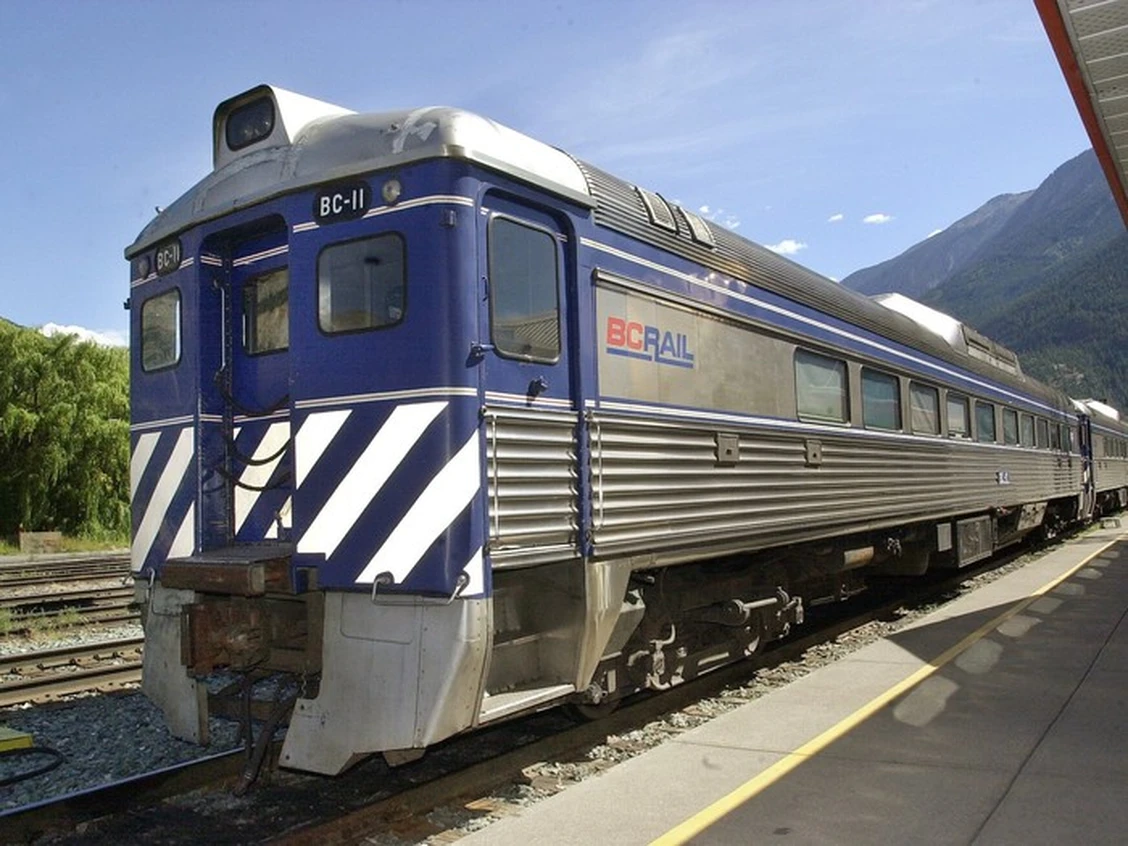
Passenger rail service in the region is not new. Regular services were discontinued in 2002, and since then, the rail corridor has mainly been used for freight and limited luxury tourism trains.
Today, only premium tourist services operate occasionally, highlighting the untapped potential of the existing infrastructure.
Future Possibilities: High-Speed Rail Vision
Some proposals go beyond restoring traditional rail services. Concepts like high-speed rail aim to:
- Cut travel times drastically
- Provide frequent and reliable service
- Support long-term regional development
Such systems could move thousands of passengers daily and reduce dependency on cars.
Key Challenges Ahead
While the vision is promising, several challenges must be addressed:
- High infrastructure and development costs
- Coordination between government and private stakeholders
- Environmental and land-use considerations
- Long-term funding and feasibility planning
Conclusion
Reintroducing passenger rail between North Vancouver and Whistler represents more than just a transportation upgrade—it’s an opportunity to reshape how people travel, work, and connect in the region.
With increasing demand and growing environmental concerns, rail could become a key part of a sustainable and efficient transportation future for British Columbia.
Stay updated instantly — follow us on Instagram | Facebook | X
For any issues or concerns, please contact us at issue@surreyspeak.com.
Have a local story or update to share? Become a Citizen Journalist or volunteer with Surrey Speak—your voice matters in shaping local news.
We believe AI is a powerful, positive tool that supports creativity and responsible journalism.
Contact: marketing@surreyspeak.com