
Ostrich Farm Receives Multiple Violations After Inspections
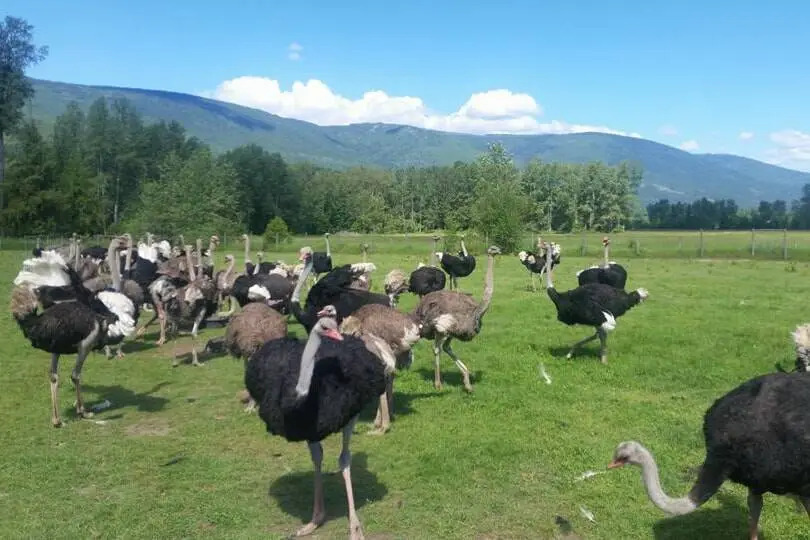
Inspectors have issued three separate violations to a British Columbia ostrich farm after finding animal health and biosecurity breaches, provincial officials confirmed. The farm had already faced scrutiny in connection with avian influenza biosecurity issues and now must address further regulatory violations.
Officials say the penalties show how seriously the province enforces animal health standards.
Violations Linked to Biosecurity Breaches
The Ministry of Agriculture and Food issued the violations after investigating the ostrich operation. Inspectors identified failures related to protocols that are designed to keep dangerous diseases like avian influenza from spreading.
The issues cited include lapses in required containment practices, insufficient sanitation procedures, and problems with documentation of animal movements — all of which can increase risks to other birds and livestock.
Follow-Up to Earlier Avian Flu Concerns
This development follows an earlier enforcement action that saw the same farm fined over biosecurity shortfalls after officials discovered practices that did not meet provincial requirements during an avian influenza outbreak. That fine was upheld by a tribunal, which stressed that all bird-keeping operations — including ostrich farms — must follow biosecurity rules to protect animal health.
The new violations add a layer of regulatory pressure, signaling that inspectors remain focused on ensuring compliance.
Farm Must Correct Issues or Face Consequences
Under provincial law, the farm must now address the violations within specified timelines or face further enforcement actions, including additional penalties or restrictions on its operations. Agricultural officials say they will monitor the facility’s response to ensure corrective measures are taken.
If the farm fails to comply, authorities could escalate actions to protect animal health and safeguard other farms in the region.
Officials Stress Importance of Biosecurity
Agriculture ministry representatives emphasized that strong biosecurity and disease prevention measures are critical — especially during times when avian influenza is circulating among wild birds and domestic flocks across the province.
Biosecurity rules aim to prevent the spread of disease through disinfection practices, controlled access to animal areas, proper record keeping, and other processes that reduce contact between potentially infected wildlife and farmed birds.
Officials say that violations offer a reminder to all bird owners and farms that compliance isn’t optional.
Community and Industry Reaction
Local agriculture advocates say the enforcement actions reflect broader efforts to strengthen animal health oversight and protect the poultry industry. Some industry stakeholders have pointed out that ostrich and other exotic bird farms also need to meet the same standards as traditional poultry operations because disease can spread across species.
At the same time, animal welfare groups note that biosecurity and disease control measures benefit both animals and farmers by preventing large-scale outbreaks.
Next Steps and Monitoring
Inspectors will return to the ostrich farm as part of follow-up checks to ensure the violations are corrected. Meanwhile, ministry officials remind all farm owners to review their biosecurity protocols and ensure they meet provincial standards to avoid similar enforcement actions.
Stay updated instantly — follow us on Instagram | Facebook | X