

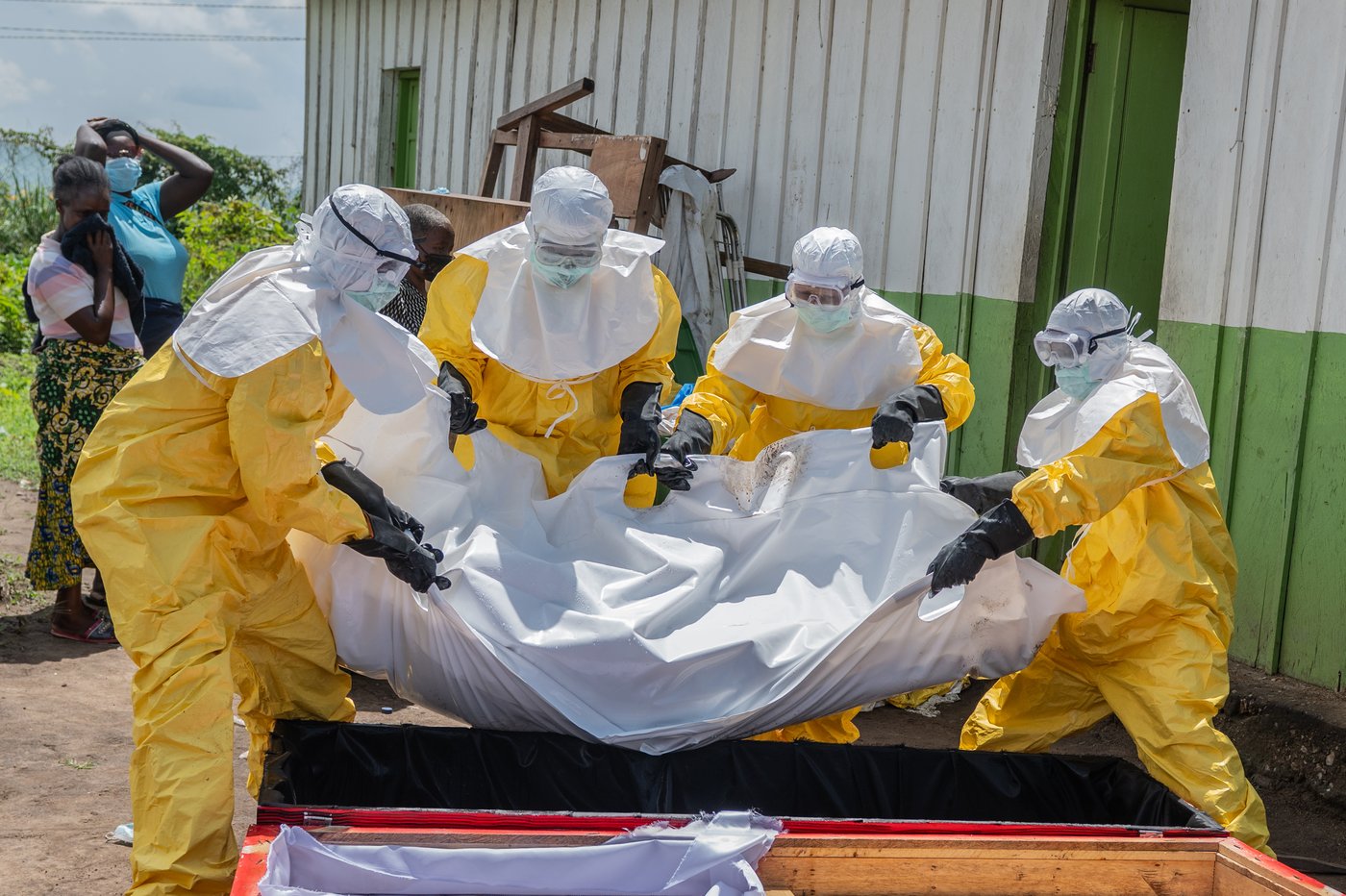
New Isolation Measures Introduced for Travellers
Travellers entering the country from regions impacted by Ebola outbreaks will now be required to isolate for 21 days under updated public health measures.
Officials say the policy is intended as a precautionary step to monitor potential exposure risks and help prevent the spread of the virus.
Health authorities stress that the isolation requirement is part of established outbreak response protocols and does not mean there is currently widespread risk to the general public.
The move comes as global health agencies continue monitoring Ebola activity in affected regions.
Why the Isolation Period Lasts 21 Days
Medical experts say the 21-day isolation period aligns with the known incubation timeline for Ebola.
During this time, individuals who may have been exposed are monitored for symptoms including fever, fatigue, vomiting, and other signs associated with the virus.
Health officials say early detection and isolation remain critical tools for controlling outbreaks and preventing wider transmission.
Travellers affected by the new measures may also face additional health screenings and reporting requirements.
Public Reactions Bring Back Pandemic Memories
The announcement has triggered strong reactions online, with many people comparing the measures to travel restrictions seen during the COVID-19 pandemic.
Some Canadians support strict health protections to avoid future outbreaks, while others express concern about renewed isolation policies and travel disruptions.
Experts continue emphasizing that Ebola spreads differently than airborne viruses and that existing health protocols are designed to reduce public risk.
Officials are encouraging the public to rely on verified health information and avoid misinformation circulating online.
Global Health Monitoring Continues
International health organizations continue tracking Ebola outbreaks and coordinating response efforts in affected regions.
Governments around the world often implement travel-related precautions during outbreaks involving highly infectious diseases to reduce cross-border spread.
Canadian public health agencies say they will continue reviewing the situation and may update guidelines if conditions change.
Why This Story Matters
The return of strict travel health measures highlights how quickly global outbreaks can affect border policies, public safety discussions, and international travel. As health officials respond to evolving risks, many Canadians are closely watching how governments balance precaution, communication, and public confidence.
Stay updated instantly — follow us on Instagram | Facebook | X
For any issues or concerns, please contact us at issue@surreyspeak.com.
Have a local story or update to share? Become a Citizen Journalist or volunteer with Surrey Speak—your voice matters in shaping local news.
We believe AI is a powerful, positive tool that supports creativity and responsible journalism.
Contact: marketing@surreyspeak.com