
U.S. Facility of Failed B.C. Bus Builder Changes Hands
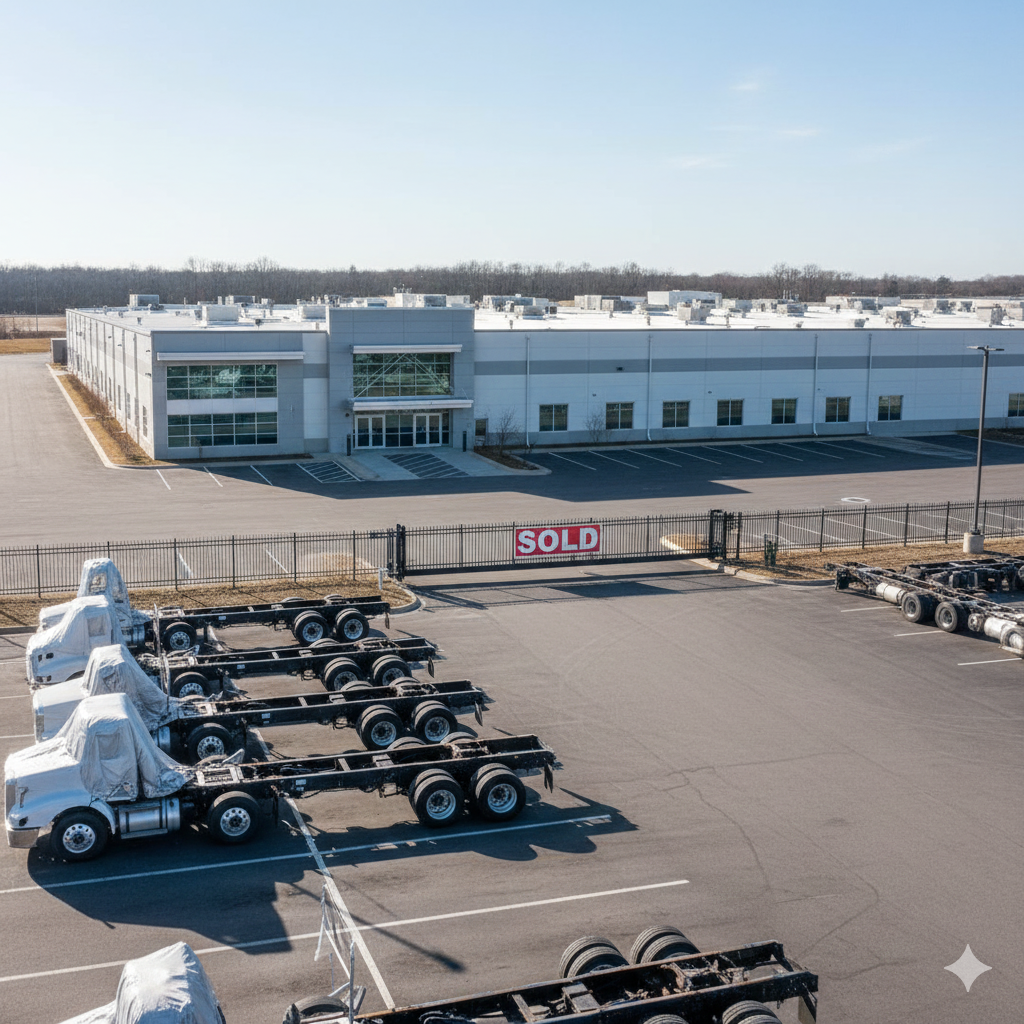
A major asset tied to a British Columbia-based manufacturer of buses and specialty trucks has now been sold, providing a key step in wrapping up the company’s long insolvency process. The property in Ferndale, Washington that once housed an electric bus and truck production line was transferred by the court-appointed receiver to a new owner after the firm behind it collapsed.
Background: How the Company Ended Up Here
The business, originally founded to build mid-size buses and later expand into electric and clean-energy vehicles, ran into financial trouble in 2024 when it could no longer meet its loan obligations. At that point, a secured creditor obtained a court order to place the company into receivership, and the Supreme Court of British Columbia appointed a manager to oversee its assets.
Those assets included facilities on both sides of the Canada–U.S. border, and shortly after the company sought protection under U.S. bankruptcy law, the receiver began preparing them for potential sale to repay creditors.
Ferndale Plant Among Key Assets Sold
The United States assembly plant — a 100,000-square-foot facility opened in 2023 to expand production into American markets — drew interest from buyers after sitting unused for months. Originally built to comply with “Buy America” standards so it could compete for public transit contracts south of the border, the plant represented a significant capital investment before the company’s finances deteriorated.
The sale of this facility marks one of the largest individual transactions in the receivership process, and the proceeds will go toward satisfying some of the debts owed by the now-defunct manufacturer.
What Comes Next for Remaining Assets
Beyond the Ferndale property, other parts of the company’s holdings have been marketed or auctioned off. These include hundreds of vehicles in inventory and shop equipment, all overseen by the receiver in hopes of maximizing recovery for creditors.
Meanwhile, transit agencies in British Columbia that once operated dozens of buses built by the company have had to secure spare parts and continue maintenance on aging vehicles, which remain in service despite the manufacturer’s collapse.
Company’s Fall Highlights Challenges for Clean Transit Builders
The outcome underscores the difficulties faced by smaller vehicle manufacturers competing in markets dominated by larger producers, especially when expanding into new sectors such as electric transit and truck assembly. Despite earlier expansion and investment support from economic development programs, the business was unable to sustain operations long enough to build a stable market share before financial pressures overwhelmed it.