
Whitehorse Weather Swings From Deep Snow to Thaw and Freeze
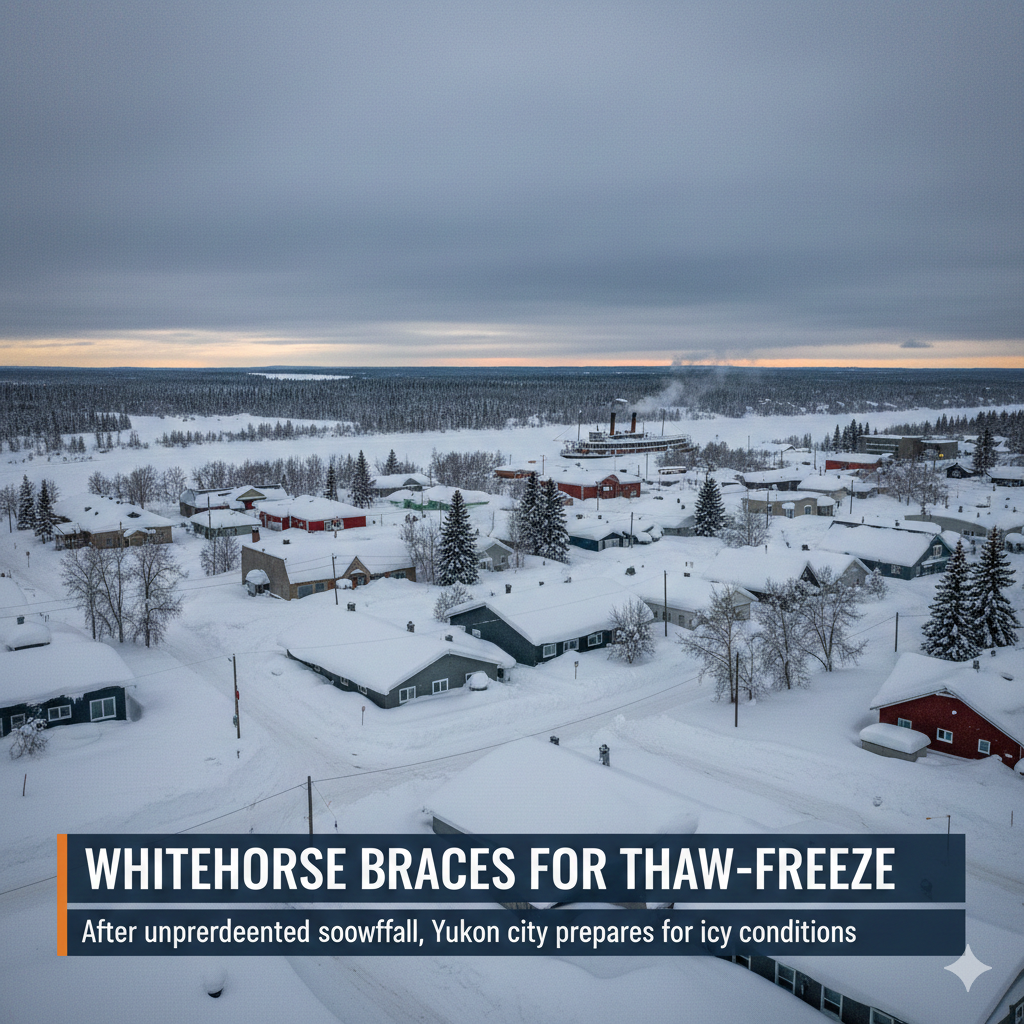
After a barrage of snow dropped what’s normally a month’s accumulation in just a few days, the city of Whitehorse is preparing for a dramatic temperature roller coaster. Meteorologists say the region will soon shift from cold and snowy to a warmer thaw before plunging back into freezing conditions.
Record Snowfall Buries City in White
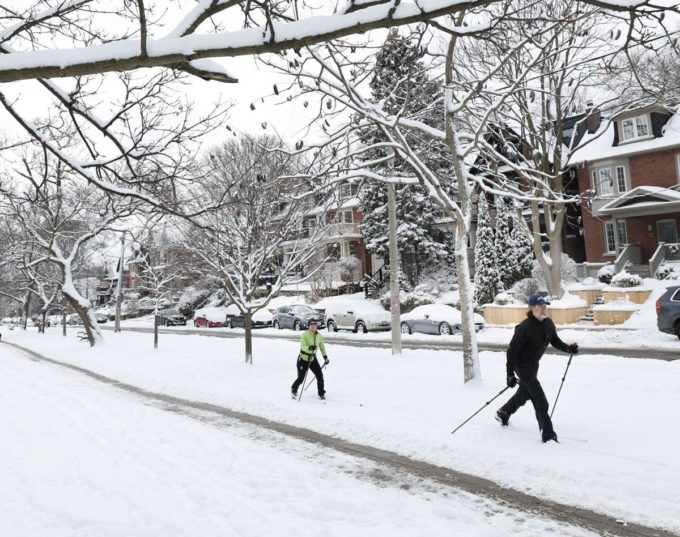
In a rare winter event, Whitehorse received heavy snow that overwhelmed roads, sidewalks and local services. The accumulation closely matched what the area would usually see in a full month of winter precipitation, but it came within just a few days, leaving residents to contend with deep drifts and tough travel conditions.
Warmer Weather Set to Melt Snowbanks
Following the heavy snowfall, forecasts show a brief warm spell moving into the Yukon. Temperatures warming above freezing will soften the accumulated snow and ice, making travel easier in some areas but raising concerns about slick surfaces and water runoff. City crews and residents alike will need to shift focus from clearing snow to managing melting conditions to prevent flooding or icy patches.
Freeze Returns After the Thaw
Meteorologists say the warm period won’t last long. After several days above freezing, temperatures are expected to drop sharply again, leading to refreezing of wet surfaces. That cycle — melt followed by a deep freeze — can create hazardous roads and sidewalks, especially overnight, and could undo much of the progress made in snow removal.
Impacts on Residents and Infrastructure
For drivers, pedestrians and local services, this type of weather swing poses unique challenges. Slushy roads during the thaw can slow traffic, while refreeze periods overnight could create dangerous black ice. Residents are being reminded to take extra caution, update winter safety plans, and watch for changing conditions.
City Preps for Changing Conditions
Whitehorse city officials and crews are shifting plans to handle the expected transitions in weather this week. That means moving from plowing and snow clearing to filling potholes, adjusting drainage, and preparing salt or grit supplies for when roads turn icy again after the thaw.
Stay updated instantly — follow us on Instagram | Facebook | X