
Ebola Cases Continue Rising Across Central Africa
Global health officials are closely monitoring a worsening Ebola outbreak affecting parts of the Democratic Republic of Congo (DRC) and neighboring Uganda. The World Health Organization recently upgraded its risk assessment, warning that the outbreak is spreading quickly in vulnerable regions already facing humanitarian challenges.
According to recent reports, hundreds of suspected cases and more than 100 deaths have already been linked to the outbreak, with experts believing actual numbers could be significantly higher due to underreporting and limited testing capabilities.
Rare Ebola Strain Raises Global Health Concerns
Health authorities confirmed the outbreak involves the Bundibugyo strain of Ebola, a rare form of the virus for which there are currently no approved vaccines or targeted treatments.
Medical experts say this makes containment efforts more difficult compared to previous Ebola outbreaks where vaccines were available. WHO officials also noted that developing and distributing an effective vaccine could take several months.
Conflict and Displacement Are Complicating Response Efforts
The outbreak is centered in eastern Congo, a region heavily affected by armed conflict, displacement, and poor healthcare infrastructure. Humanitarian groups warn that violence and insecurity are slowing emergency response operations and making it difficult for health workers to trace infections.
Healthcare teams are also facing:
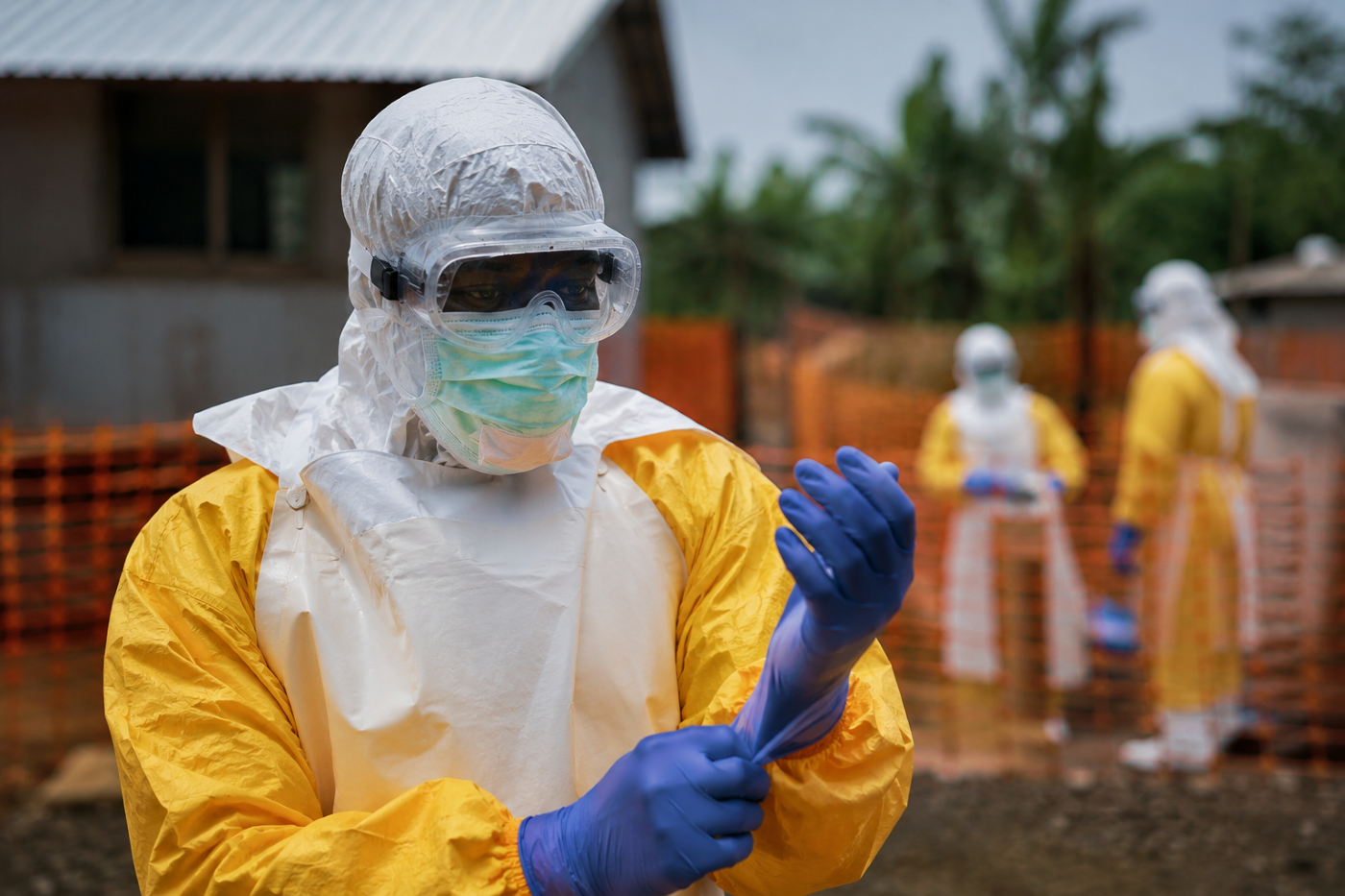
- Limited access to protective medical supplies
- Community mistrust and misinformation
- Damaged healthcare facilities
- Difficult transportation routes for aid delivery
Experts fear these challenges could allow the virus to spread further across borders if containment measures are delayed.
WHO Declares International Public Health Emergency
The World Health Organization has officially classified the outbreak as a global public health emergency due to concerns about international spread and rising case numbers.
While officials say the outbreak has not yet reached pandemic levels, they continue to urge countries to strengthen monitoring systems, airport screenings, and emergency preparedness measures.
Some countries have already introduced additional travel restrictions and health screening procedures for travelers arriving from affected regions.
Why Ebola Outbreaks Remain Dangerous
Ebola is a severe viral illness that spreads through direct contact with infected bodily fluids. Symptoms often include:
- Fever
- Vomiting
- Severe weakness
- Bleeding complications
- Organ failure in severe cases
Health officials emphasize that early detection, isolation, and contact tracing remain critical to controlling outbreaks before widespread transmission occurs.
Global Health Experts Urge Immediate International Support
Public health agencies are calling for increased international aid, faster medical response coordination, and stronger healthcare support in affected areas. Experts warn that without rapid intervention, the outbreak could become far more difficult to contain in the coming months.
The WHO continues to monitor developments closely while working alongside regional governments and humanitarian organizations to slow transmission and protect vulnerable communities.
Stay updated instantly — follow us on Instagram | Facebook | X
For any issues or concerns, please contact us at issue@surreyspeak.com.
Have a local story or update to share? Become a Citizen Journalist or volunteer with Surrey Speak—your voice matters in shaping local news.
We believe AI is a powerful, positive tool that supports creativity and responsible journalism.
Contact: marketing@surreyspeak.com