
B.C. Leaders Bring Sumas Prairie Flood Crisis to Ottawa
British Columbia’s provincial officials, local politicians, and Indigenous leaders have taken their push to Ottawa, seeking formal federal backing to address recurring flood threats in the Sumas Prairie region of southwestern B.C. This effort comes after devastating floods in 2021 and late 2025 that repeatedly swamped farmlands and communities, highlighting the need for stronger national coordination on flood mitigation.
Why This Region Matters to More Than Just Local Residents
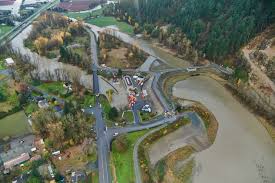
Sumas Prairie sits east of Vancouver and is a key agricultural, transportation, and trade corridor for British Columbia and Canada. It occupies land once known as Sumas Lake, drained in the early 20th century for farmland, and has experienced periodic flooding due to overflow from the nearby Nooksack and Sumas rivers. Major flood events in late 2021 and December 2025 forced evacuations, damaged homes and farms, and disrupted regional infrastructure.
Provincial and local leaders argue that these repeated flood events aren’t just a local problem; they affect national food security, supply chains, trade routes and long-term planning for climate impacts.
Calls for Federal Partnership and Funding
At city hall and on Parliament Hill, British Columbia’s Minister of Emergency Management and Climate Readiness Kelly Greene, Abbotsford Mayor Ross Siemens, and Semá:th First Nation Chief Dalton Silver have outlined their requests.
They want the federal government to work directly with provincial and local partners on a comprehensive flood-resilience strategy. This includes investing in infrastructure designed to reduce flood risk — such as improved dikes, pump stations, and watershed management systems — and participating actively in long-term planning efforts.
Greene said Sumas Prairie needs a collaborative, well-funded plan with federal involvement because “the problems of flood mitigation are too large and complex” for local authorities to manage alone.
Background: Repeated Flooding and Economic Stakes
Sumas Prairie’s vulnerability stems from heavy rain events, particularly atmospheric rivers that dump huge amounts of precipitation over short periods. These conditions have caused flooding at least three times in recent years, forcing local evacuations and posing severe challenges to homes, farms, and critical routes like the Trans-Canada Highway.
In response to earlier floods, the B.C. government has already invested in planning and preparedness through the Sumas River Watershed Flood Mitigation Planning Initiative. This includes collaborative work with First Nations and local governments to assess risks and develop mitigation strategies over the long term.
What’s Next as Talks Continue
As the delegation meets with federal ministers responsible for emergency management and infrastructure, they will argue that flood-mitigation funding and planning shouldn’t be treated as competitive with other regions but prioritized given the repeated impacts here.
Officials also hope that updating federal disaster funding arrangements will support mitigation efforts, not just recovery after disasters occur.
For residents and businesses in the Sumas Prairie, the outcome of these discussions could shape future protections against flooding and help secure the economic resilience of one of B.C.’s most important agricultural areas.
Stay updated instantly — follow us on Instagram | Facebook | X