
Introduction: A Changing Diplomatic Position
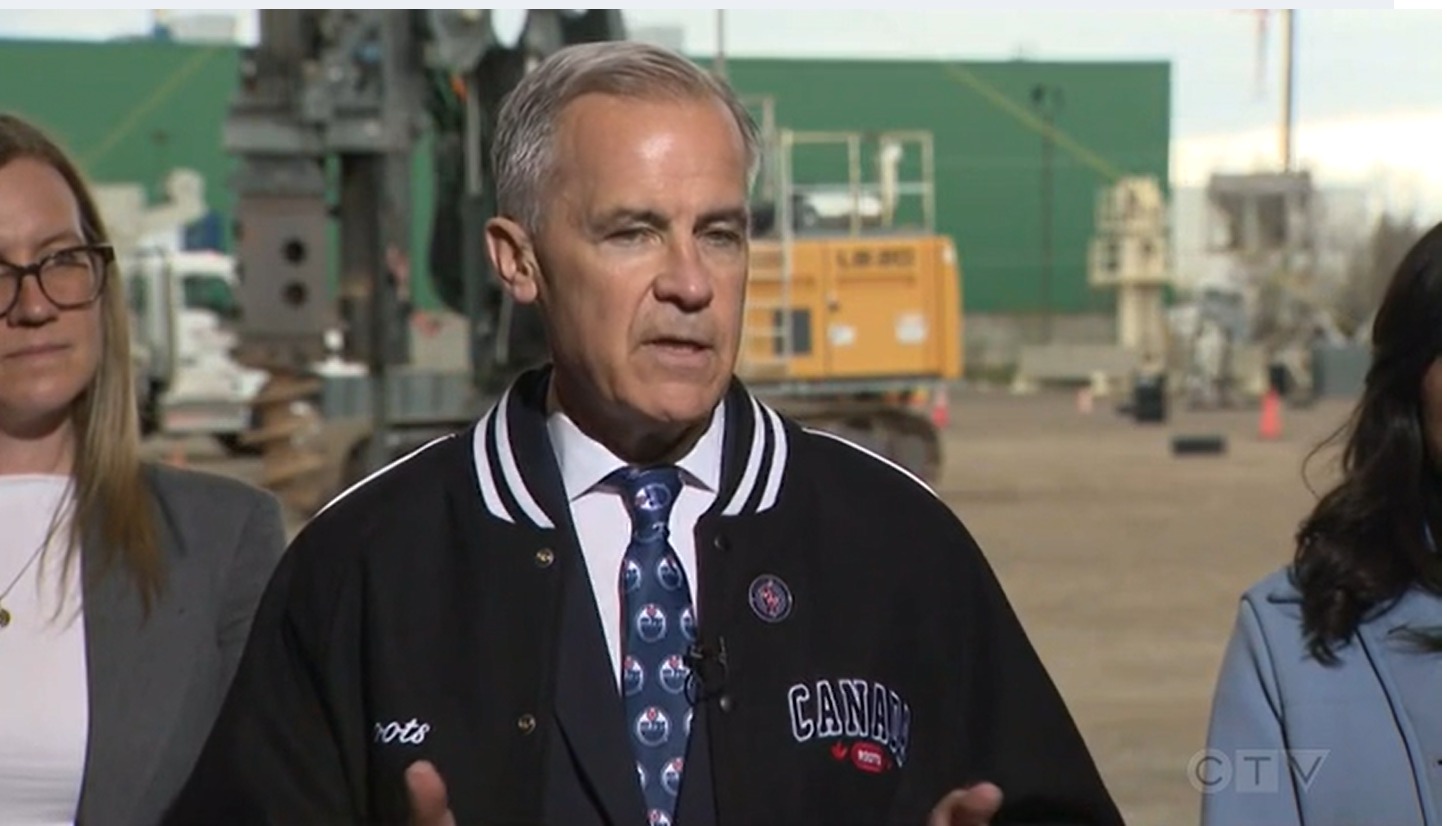
Canada’s response to the Iran conflict has not remained static. Prime Minister Mark Carney recently explained that his government reassessed its initial support for U.S. military action as more details emerged about Washington’s long-term strategy.
Initial Support for U.S. Action
At the outset of the conflict in late February 2026, Canada aligned itself with the United States. Carney expressed firm backing for the military operation, which was framed as a move to counter perceived threats from Iran.
This early position reflected Canada’s traditional alignment with its closest ally, especially on matters of global security.
Why Canada Reconsidered Its Stance
Within days, Ottawa began to reassess its position. According to Carney, the objectives behind the U.S. campaign were not clearly defined at the beginning and appeared to change over time.
As more information surfaced, concerns grew around:
- The lack of clarity in U.S. military goals
- Questions about legality under international law
- Limited consultation with global institutions like the United Nations
This uncertainty prompted Canada to adopt a more cautious and critical tone.
Concerns Over International Law
Carney later expressed regret that the conflict proceeded without broader international consultation. He suggested the situation could conflict with established global legal frameworks.
This aligns with wider criticism from analysts and policymakers who have questioned whether the war meets legal standards under international and domestic law.
A Broader Pattern of Shifting War Goals
The evolving nature of U.S. objectives has been a recurring issue throughout the conflict. Reports indicate that the rationale behind the military campaign has varied—from limiting nuclear threats to broader strategic ambitions.
Such shifts have made it difficult for allies like Canada to maintain a consistent position.
Canada’s Current Approach
Today, Canada’s stance appears more measured. While still acknowledging security concerns related to Iran, Ottawa has emphasized:
- The importance of international cooperation
- Respect for global legal norms
- Caution in engaging in prolonged military conflicts
Canada has also made it clear that it is not directly participating in the offensive actions.
Conclusion: Diplomacy in a Complex Conflict
Carney’s remarks underline the challenges faced by allied nations when major powers alter their strategic goals mid-conflict. Canada’s shift reflects a balancing act between supporting allies and upholding international law.
As the situation continues to evolve, Canada’s approach may remain flexible—guided by both global developments and domestic priorities.
Stay updated instantly — follow us on Instagram | Facebook | X
For any issues or concerns, please contact us at issue@surreyspeak.com.
Have a local story or update to share? Become a Citizen Journalist or volunteer with Surrey Speak—your voice matters in shaping local news.
We believe AI is a powerful, positive tool that supports creativity and responsible journalism.
Contact: marketing@surreyspeak.com