
Cowichan Ruling Draws Province-Wide Attention
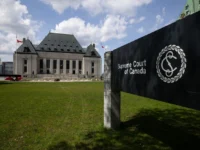
A legal ruling involving land rights and Indigenous authority in the Cowichan region is generating strong reactions throughout British Columbia and across Canada.
The decision has become part of a larger debate surrounding property rights, Indigenous governance, and how governments balance economic development with reconciliation efforts.
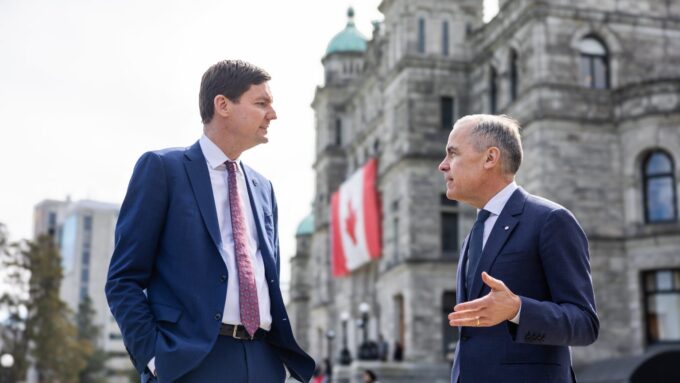
Political leaders, legal experts, and Indigenous communities are all weighing in as the discussion continues gaining national attention.
Debate Grows Around Property Rights and Indigenous Authority
The ruling has reignited conversations about who has decision-making authority over land use, development, and access within traditional Indigenous territories.
Supporters of stronger Indigenous authority say First Nations communities must play a central role in decisions affecting their lands and cultural interests.
Others argue property rights and development certainty are equally important, especially for businesses, landowners, and economic growth projects.
The issue highlights the growing complexity surrounding land governance and reconciliation in Canada.
Political Reactions Add to National Discussion
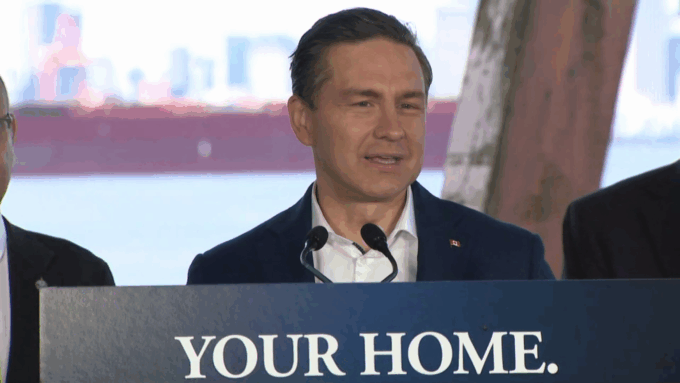
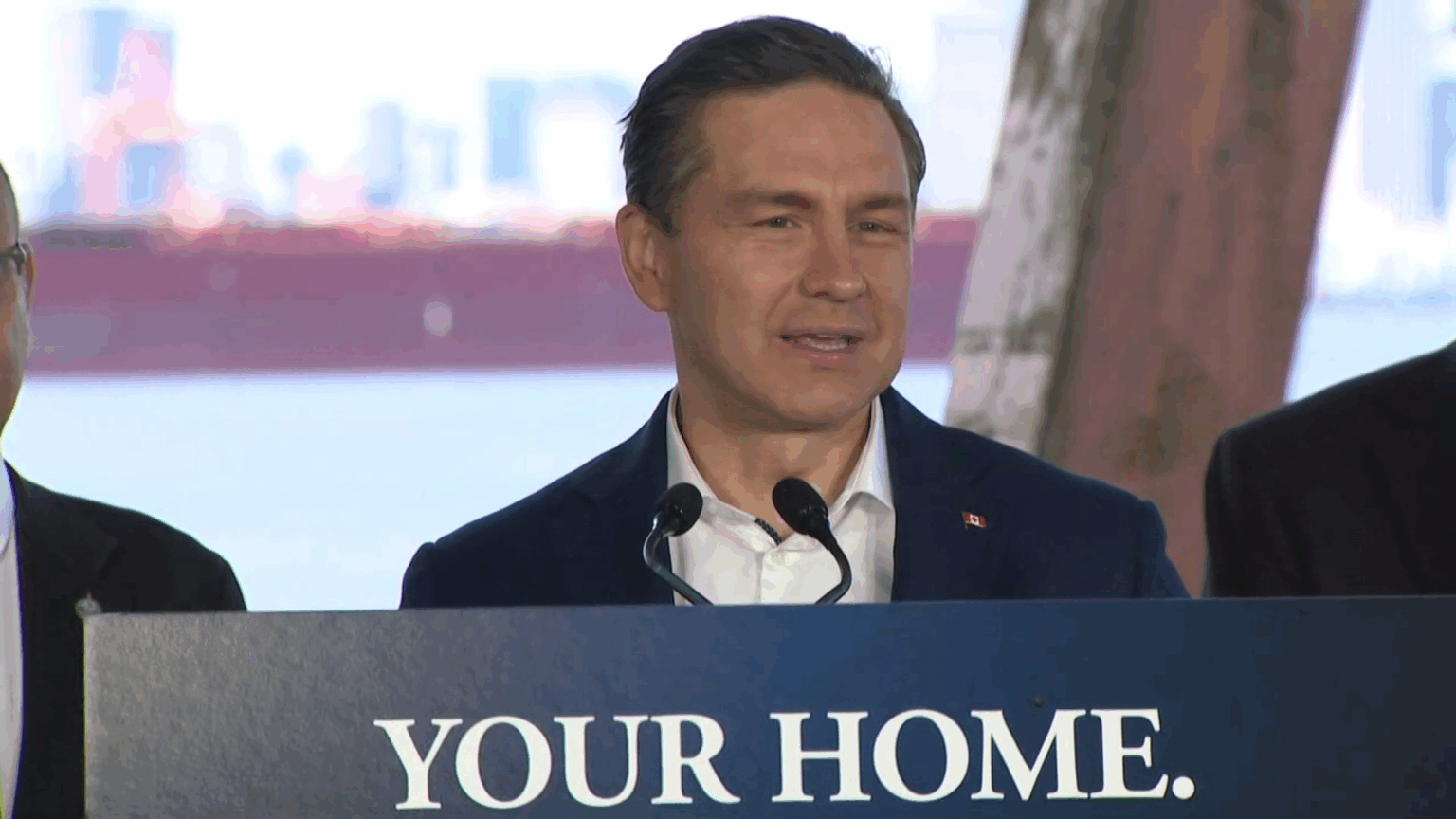
The case has also entered the political spotlight after comments connected to federal Conservative leader Pierre Poilievre and broader debates about property rights policies.
Political observers say disputes involving land use and Indigenous consultation are becoming increasingly important topics in Canadian politics.
As housing pressures, infrastructure projects, and resource development continue expanding, governments are facing greater pressure to balance competing interests fairly.
The discussion is expected to remain a major political issue in British Columbia and beyond.
Indigenous Rights Remain Central to Legal Discussions
Legal experts say the ruling reflects broader changes happening across Canada related to Indigenous rights and reconciliation.
British Columbia has taken steps in recent years to align provincial policies more closely with the United Nations Declaration on the Rights of Indigenous Peoples (UNDRIP).
Cases involving land access, resource development, and consultation obligations continue shaping how courts interpret Indigenous rights within Canadian law.
The outcome of similar legal disputes could influence future policies affecting land management and development projects nationwide.
Public Divided Over Future of Land Governance
Public reaction to the ruling has been mixed, with strong opinions emerging from multiple sides of the debate.
Some residents believe stronger Indigenous involvement is necessary to address historical injustices and improve long-term decision-making.
Others worry about legal uncertainty, property access concerns, and the impact future rulings could have on development projects and investment.
As conversations continue, the Cowichan case is becoming another important example of the evolving relationship between governments, Indigenous communities, and land governance in Canada.
Stay updated instantly — follow us on Instagram | Facebook | X
For any issues or concerns, please contact us at issue@surreyspeak.com.
Have a local story or update to share? Become a Citizen Journalist or volunteer with Surrey Speak—your voice matters in shaping local news.
We believe AI is a powerful, positive tool that supports creativity and responsible journalism.
Contact: marketing@surreyspeak.com