
Supreme Court Reviewing Major B.C. Resource Development Case
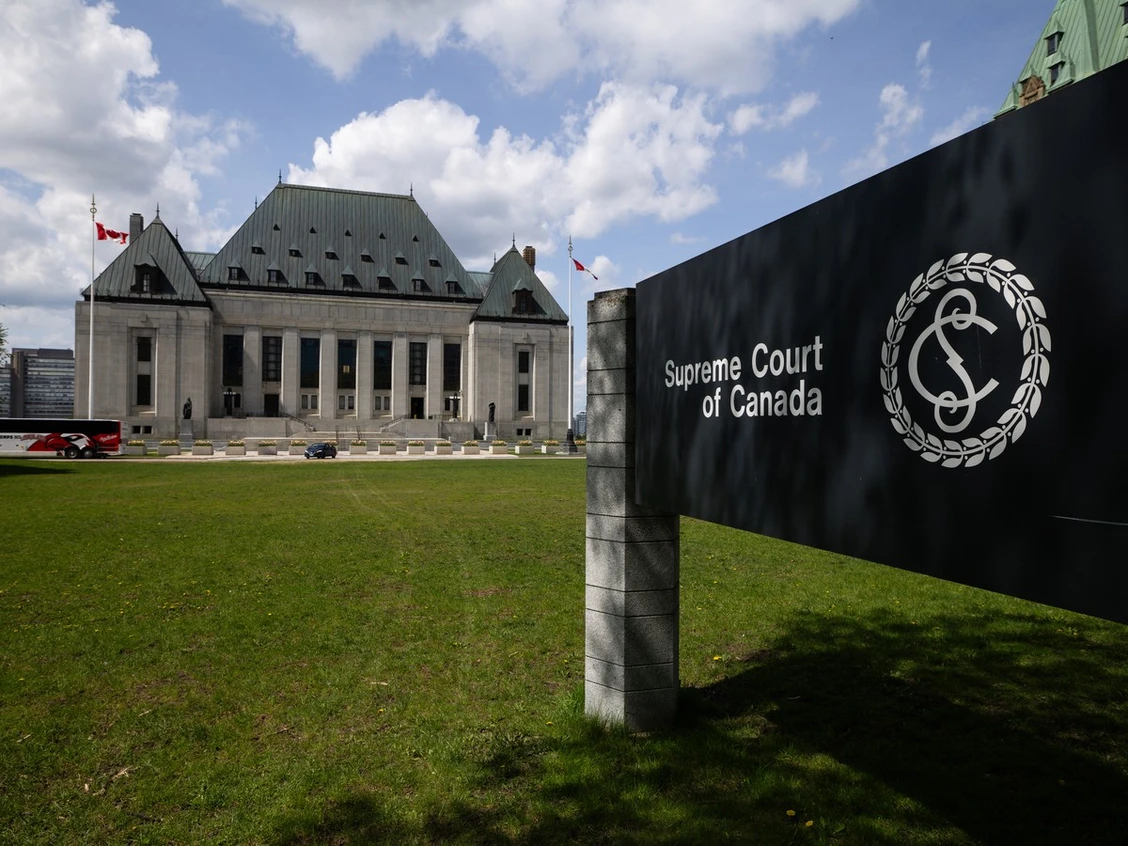
Canada’s highest court is considering whether it will hear an appeal tied to British Columbia’s Mineral Tenure Act and Indigenous consultation rights.
The legal challenge focuses on how mineral claims are registered in the province and whether the current process properly respects Indigenous rights protected under Canadian law and B.C.’s Declaration on the Rights of Indigenous Peoples Act (DRIPA).
The case has become one of the most closely watched legal disputes involving natural resources and Indigenous consultation in British Columbia.
Questions Raised Over Mineral Claim System
At the centre of the dispute is B.C.’s online mineral claim registration system, which allows companies and individuals to register mineral exploration claims digitally.
Critics argue the process may allow claims to be approved without meaningful consultation with affected First Nations communities before exploration rights are granted.
Indigenous groups and legal advocates say the system fails to adequately recognize Indigenous land rights and consultation obligations tied to traditional territories.
Supporters of the current system argue the mining industry requires efficient regulatory processes to support investment, exploration, and economic growth.
Indigenous Rights and DRIPA at the Core
The case is also drawing attention because it connects to British Columbia’s Declaration on the Rights of Indigenous Peoples Act.
DRIPA was introduced to align provincial laws more closely with the United Nations Declaration on the Rights of Indigenous Peoples (UNDRIP), including principles around consultation and Indigenous participation in decision-making.
Legal experts say the outcome of the case could influence how governments apply Indigenous consultation requirements to future resource development projects across British Columbia.
The decision may also shape how courts interpret reconciliation efforts within Canadian law.
Mining Industry Closely Monitoring Outcome
Mining companies and industry organizations are closely watching the case because of its potential impact on exploration and resource development across the province.
British Columbia’s mining sector plays a major role in the provincial economy through jobs, investment, and exports.
Industry representatives warn that major regulatory changes could affect project timelines, investment certainty, and exploration activity in remote regions.
At the same time, many companies acknowledge growing expectations around environmental protection and Indigenous partnerships in resource projects.
Case Could Shape Future Resource Policies
If the Supreme Court agrees to hear the appeal, the case could become a landmark legal decision affecting mining, land use, and Indigenous consultation standards across Canada.
Governments, Indigenous communities, environmental groups, and industry leaders are all expected to follow the case closely.
The outcome may influence future discussions surrounding reconciliation, economic development, and how natural resource decisions are made in Canada.
Stay updated instantly — follow us on Instagram | Facebook | X
For any issues or concerns, please contact us at issue@surreyspeak.com.
Have a local story or update to share? Become a Citizen Journalist or volunteer with Surrey Speak—your voice matters in shaping local news.
We believe AI is a powerful, positive tool that supports creativity and responsible journalism.
Contact: marketing@surreyspeak.com