
Supreme Court Reviewing Major B.C. Mining Case
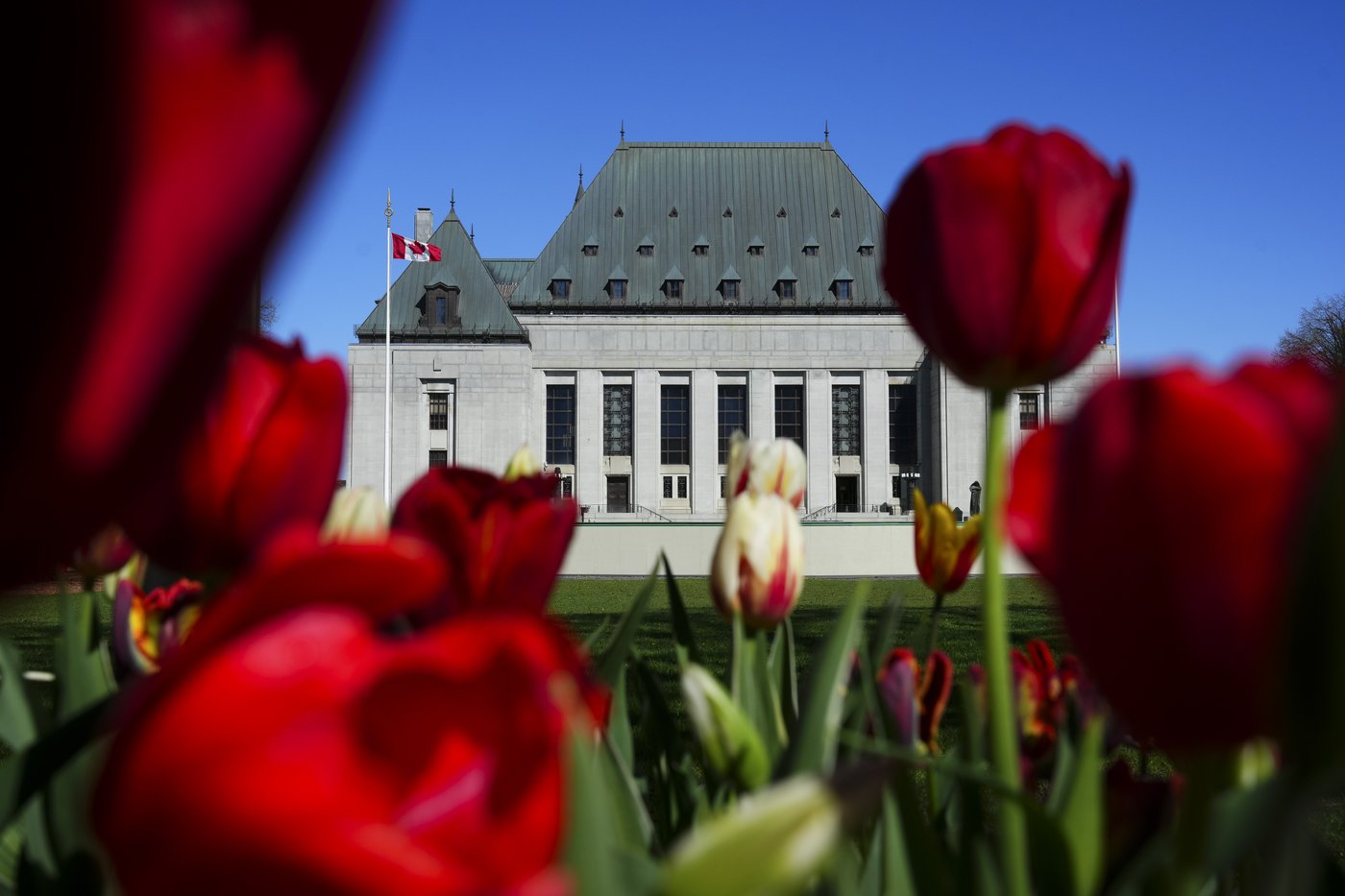
Canada’s highest court is preparing to decide whether it will hear an appeal involving British Columbia’s mineral claims process.
The legal case focuses on concerns surrounding how mining claims are registered in the province and whether the current system properly considers Indigenous rights and consultation obligations.
The decision could have significant implications for mining, natural resource development, and land-use policies across British Columbia and Canada.
Debate Centers Around Indigenous Consultation
At the centre of the case are questions about whether Indigenous communities should be consulted before mineral claims are approved on traditional territories.
Critics of the current system argue mining claims can sometimes be registered online without meaningful consultation or consent from affected First Nations communities.
Indigenous leaders and legal advocates say the issue raises important constitutional and reconciliation concerns related to land rights and resource development.
Supporters of reform argue governments should modernize mining policies to better reflect Indigenous participation and environmental considerations.
Mining Industry Watching Closely
The mining and natural resource sectors are closely monitoring the case because of its potential impact on future exploration and project approvals.
British Columbia’s mining industry remains an important contributor to the provincial economy through employment, investment, and resource production.
Industry representatives say changes to the mineral claims process could affect investment confidence, project timelines, and regulatory requirements for exploration companies.
At the same time, many acknowledge the growing importance of balancing economic development with Indigenous rights and environmental protection.
Legal Decision Could Influence Future Policies
If the Supreme Court agrees to hear the appeal, the case could eventually help shape future legal standards around consultation, land access, and resource governance in Canada.
Legal experts say the outcome may influence not only mining projects but also broader discussions tied to reconciliation and Indigenous decision-making in resource development.
The issue reflects increasing national attention around how governments and industries engage with First Nations communities on projects affecting traditional lands.
Resource Development Remains Sensitive Topic in B.C.
Natural resource projects often generate strong debate across British Columbia, particularly around environmental concerns, economic benefits, and Indigenous rights.
Mining, forestry, pipelines, and energy projects continue shaping political and legal discussions throughout the province.
As the Supreme Court considers whether to hear the case, governments, industry groups, Indigenous communities, and environmental advocates will all be watching closely for the next steps.
Stay updated instantly — follow us on Instagram | Facebook | X
For any issues or concerns, please contact us at issue@surreyspeak.com.
Have a local story or update to share? Become a Citizen Journalist or volunteer with Surrey Speak—your voice matters in shaping local news.
We believe AI is a powerful, positive tool that supports creativity and responsible journalism.
Contact: marketing@surreyspeak.com